No city rewards a little planning quite like Venice. It is a place with no roads, no cars and a thousand years of history packed onto a cluster of islands in a lagoon, and the genuinely unmissable sights, St Mark's Basilica, the Doge's Palace, the Grand Canal, are now mostly ticketed and best booked ahead. A few things have also changed for 2026, from a paid-entry basilica to the day-tripper access fee. This is our practical, up-to-date guide to the must-see Venice: what to see, what it costs, and how to plan a trip that skips the queues and the crowds. tickadoo is built by the founders of London Theatre Direct, and you can book the tickets and tours below straight from the links.
At a glance: must-see Venice in 2026
- The big five: St Mark's Square and Basilica, the Doge's Palace and Bridge of Sighs, the Rialto Bridge and Grand Canal, a gondola ride, and the islands of Murano and Burano.
- Book ahead: St Mark's Basilica is now ticketed and pre-booked, and the Doge's Palace and Campanile sell out at peak times, so reserve timed entry before you go.
- The 2026 access fee: day visitors pay a contributo di accesso of €5 (or €10 last-minute) on around 60 busier days between 3 April and 26 July 2026. Overnight guests and under-14s are exempt but still need to register.
- Getting around: there are no cars. You walk, or take the ACTV vaporetto water buses (a single ride is €9.50; day passes are far better value).
- How long: two to three days covers the headline sights plus a half-day to the islands.
St Mark's Square: the beating heart of Venice
Everything in Venice seems to lead, eventually, to Piazza San Marco. Napoleon supposedly called it "the drawing room of Europe," and it is still the city's grand social stage: a vast arcaded square framed by the basilica, the Doge's Palace, the elegant Procuratie and the historic Caffe Florian. It is free to wander and at its most magical early in the morning, before the day-trippers arrive, or late in the evening when the cafe orchestras play.
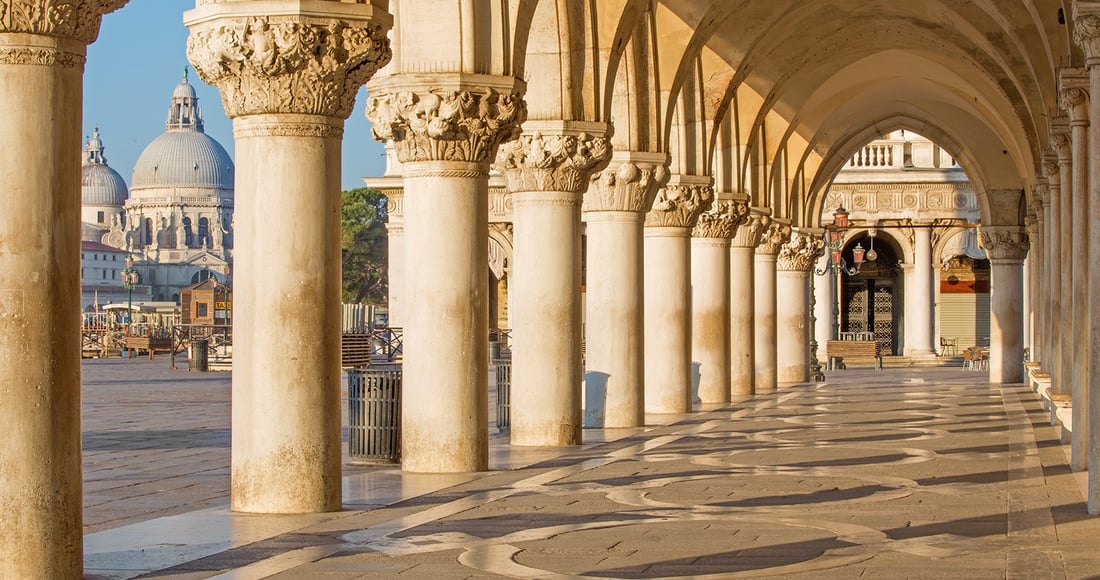
For the best view, climb the Campanile, the soaring brick bell tower that stands apart in the square. A lift takes you to the top for a panorama across the rooftops, the lagoon and, on a clear day, the Alps. The Campanile is ticketed separately at €15 and is not covered by any of the museum passes, so book it on its own.
St Mark's Basilica: gold, mosaics and the bronze horses
The Basilica di San Marco is one of the most spectacular churches in the world, a Byzantine treasure house glittering with more than 8,000 square metres of golden mosaics. The big change to know for 2026: the basilica is now a ticketed, pre-booked attraction. On-site sales ended in mid-2025, so you should reserve a timed slot online rather than turning up and queueing.
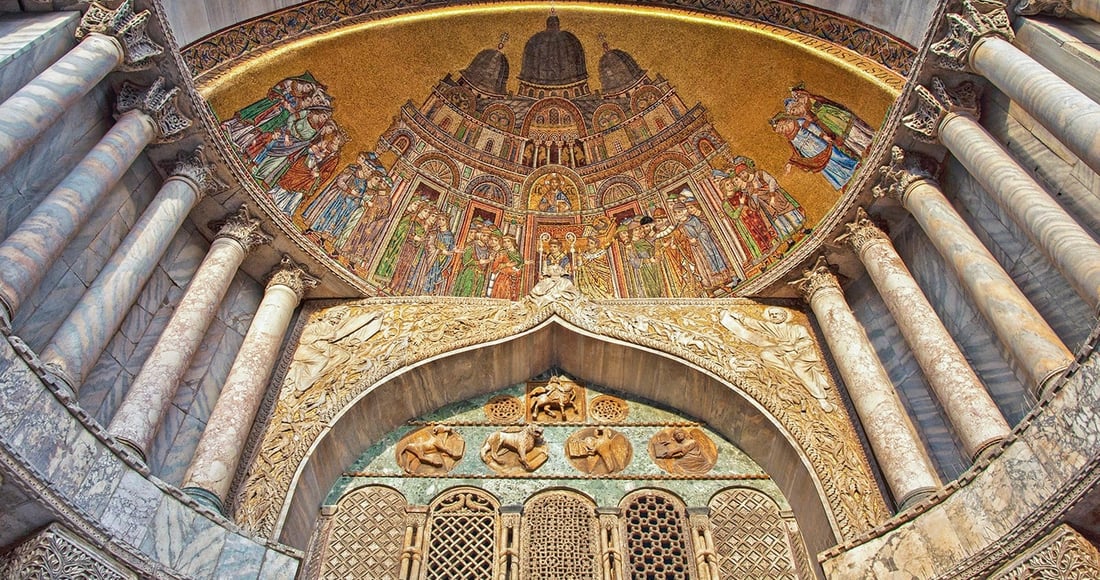
Here is how the ticketing breaks down. Entry to the main body of the basilica is €10. Adding the Pala d'Oro, the breathtaking gold-and-enamel altarpiece studded with thousands of gems, or the St Mark's Museum and the Loggia dei Cavalli, the terrace that holds the original bronze horses and offers a wonderful view over the square, brings the ticket to around €20. A full ticket covering everything is €30. Free entry remains only for certain exempt categories with valid ID. You can book skip-the-line basilica tickets in advance to save time.
One important practical point: the basilica enforces a strict dress code as a place of worship. Shoulders and knees must be covered, so no vest tops or short shorts, and large bags and backpacks are not allowed inside (there is a nearby left-luggage point). Photography rules can change, so follow the signs.
The Doge's Palace and the Bridge of Sighs
Next door, the Palazzo Ducale was the seat of Venetian power for centuries: the residence of the doge, the home of the republic's government, and its courts and prisons. Inside you walk through staggering gilded council chambers hung with works by Tintoretto and Veronese, including Tintoretto's enormous Paradise, before crossing the famous Bridge of Sighs to the old prison cells. The bridge takes its romantic name from the sighs of prisoners catching their last glimpse of Venice through its windows.
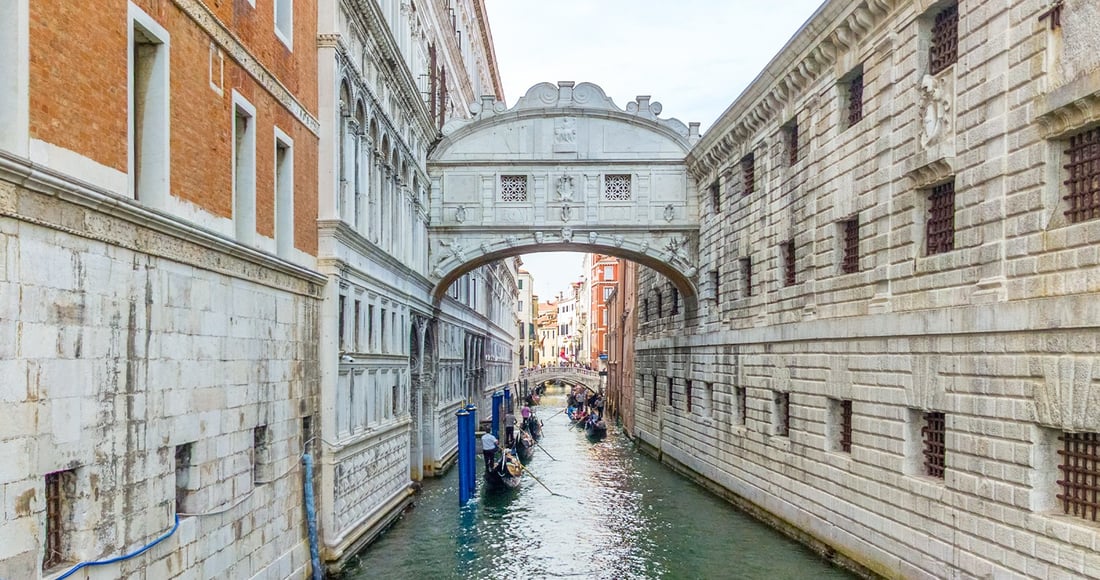
The Doge's Palace is visited on the combined St Mark's Square Museums ticket, which also covers the Correr Museum, the National Archaeological Museum and the Marciana Library, and stays valid for three months. It costs €35 on the door, or €30 if you book online at least 30 days ahead, with a €15 reduced rate. To go behind the scenes into the parts the standard route misses, the wells, the torture chamber and Casanova's cell under the lead roof, book the Secret Itineraries (Itinerari Segreti) guided tour, which runs about 75 minutes and costs €40 (€20 reduced). Reserve skip-the-line Doge's Palace tickets ahead, as timed slots go quickly in peak season.
The Rialto Bridge and the Grand Canal
The Grand Canal is Venice's high street, a sweeping S-shaped waterway lined with palazzi that is best seen from the water. You do not need an expensive tour to enjoy it: hop on the number 1 vaporetto and ride its full length for the price of a standard ticket, ideally grabbing a seat at the front or back. For a dedicated trip, a Grand Canal sightseeing cruise adds commentary on the landmarks you pass.
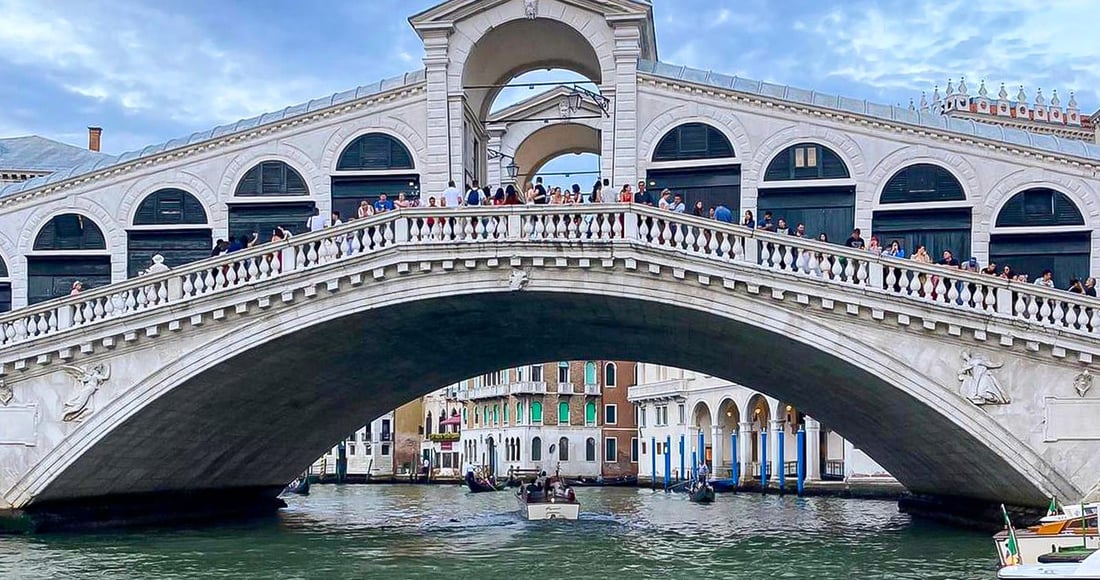
The Rialto Bridge is the oldest and most famous of the four bridges across the canal, a graceful 16th-century arch lined with shops. Go early to photograph it without the crowds, then explore the nearby Rialto Market, where Venetians have bought fish and produce for a thousand years. It is liveliest in the morning and closed on Sundays.
A gondola ride: what it really costs
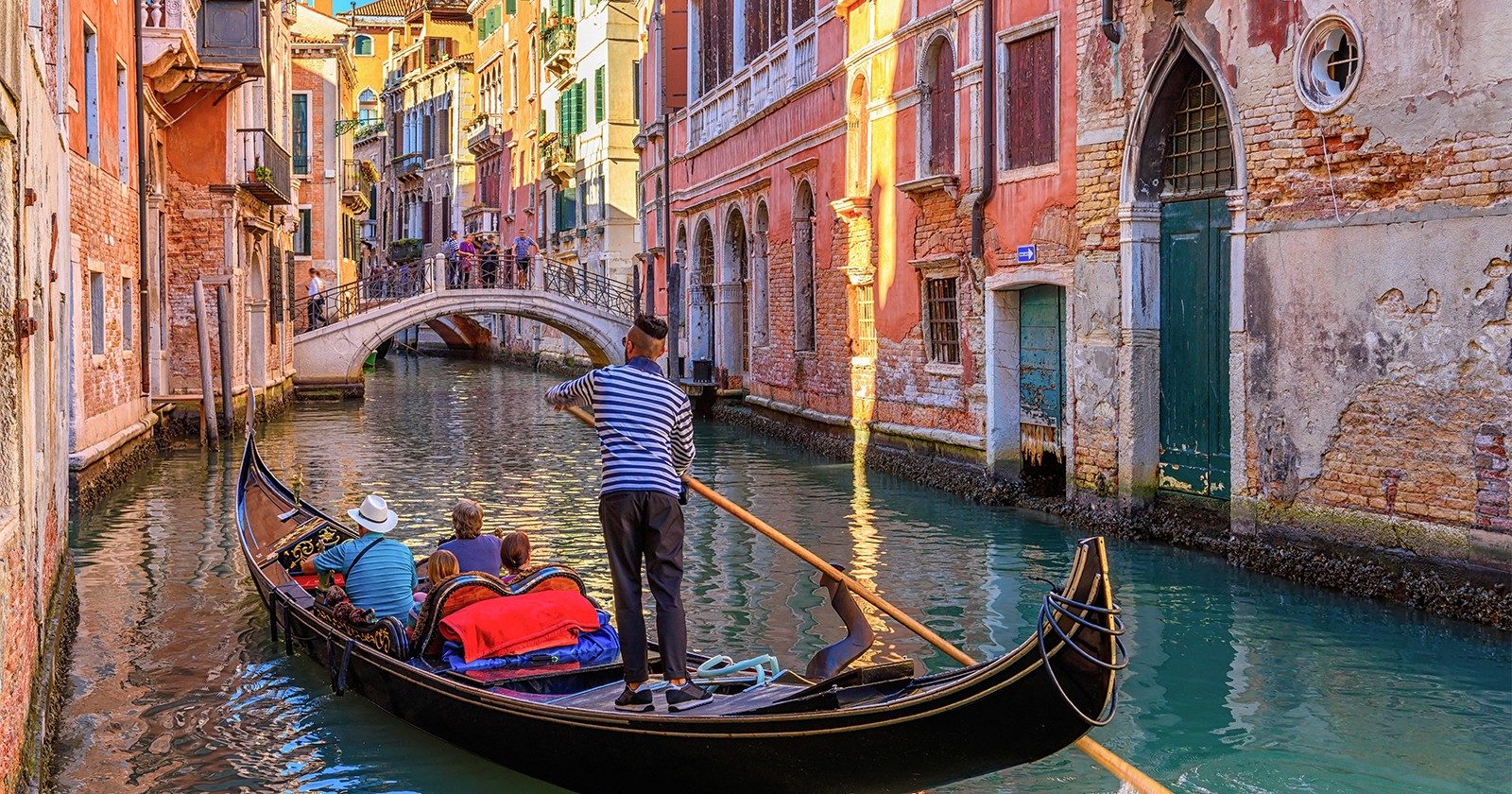
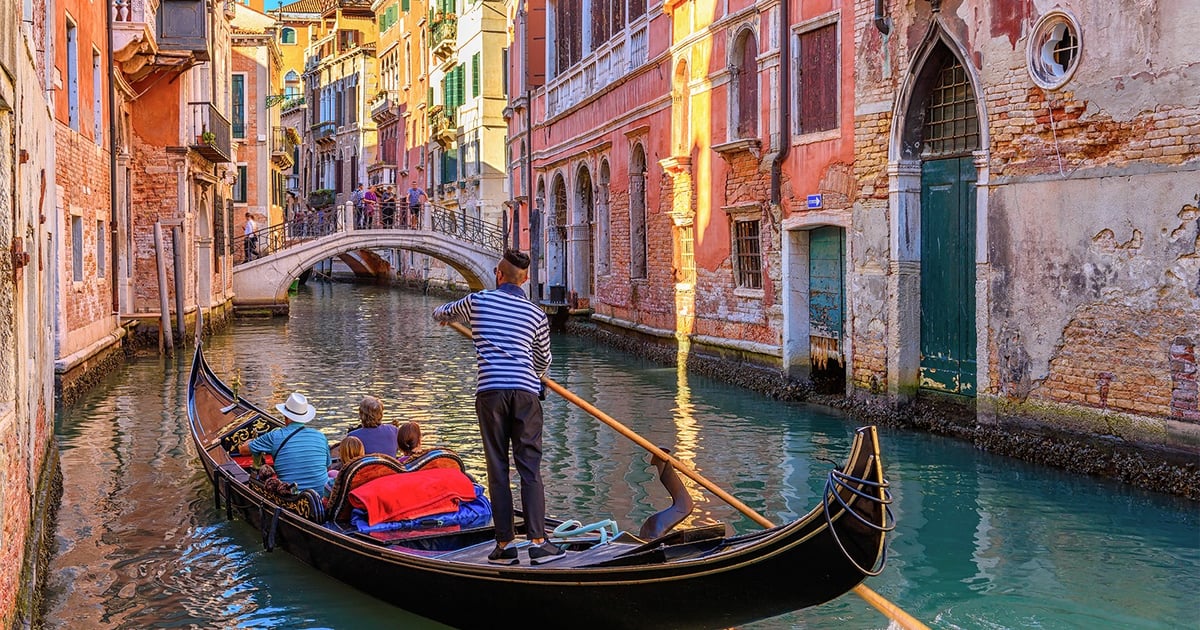
Gliding through the quiet back canals in a gondola is the one Venetian cliche that genuinely lives up to itself. The rates are officially fixed, so you are not haggling: a standard ride is €90 for 30 minutes during the day (8am to 7pm) and €110 for an evening ride, and that price is per gondola, which seats up to five people, not per person. Sharing with another couple or two is the smart way to do it. Payment is usually cash, agree the route and price before you step in, and for the most atmosphere choose a quieter rio away from the Grand Canal. You can also book a classic Grand Canal gondola ride in advance.
Murano and Burano: glass, lace and colour
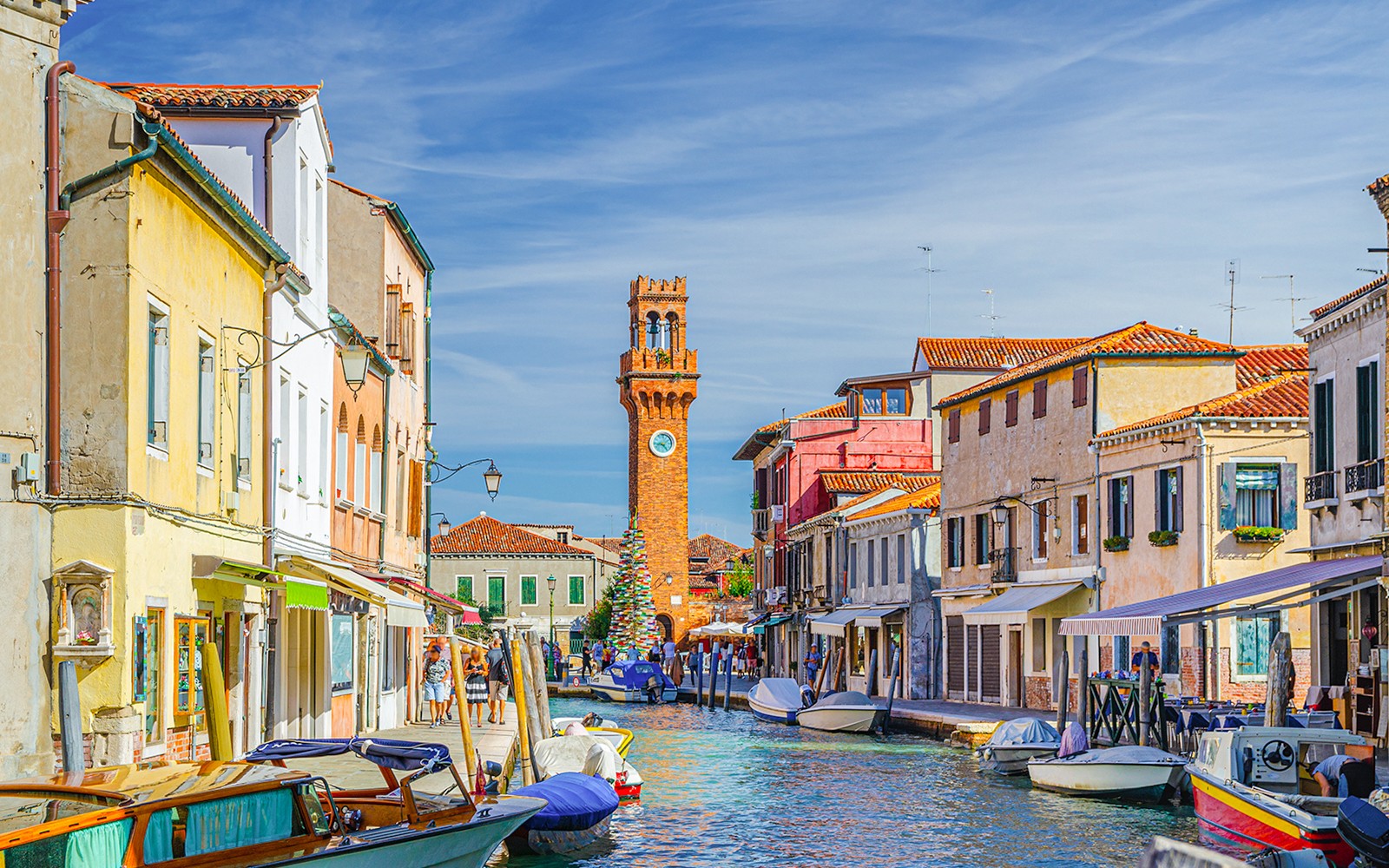
If you have more than a day, give the lagoon islands an afternoon. Murano has been the home of Venetian glassmaking since the 13th century, when the furnaces were moved there to keep fire away from the city, and you can still watch master glassblowers at work. Burano, a little further out, is the photogenic one: a fishing village of houses painted in brilliant, clashing colours, famous for its handmade lace. The two are easily combined on a half-day boat trip.
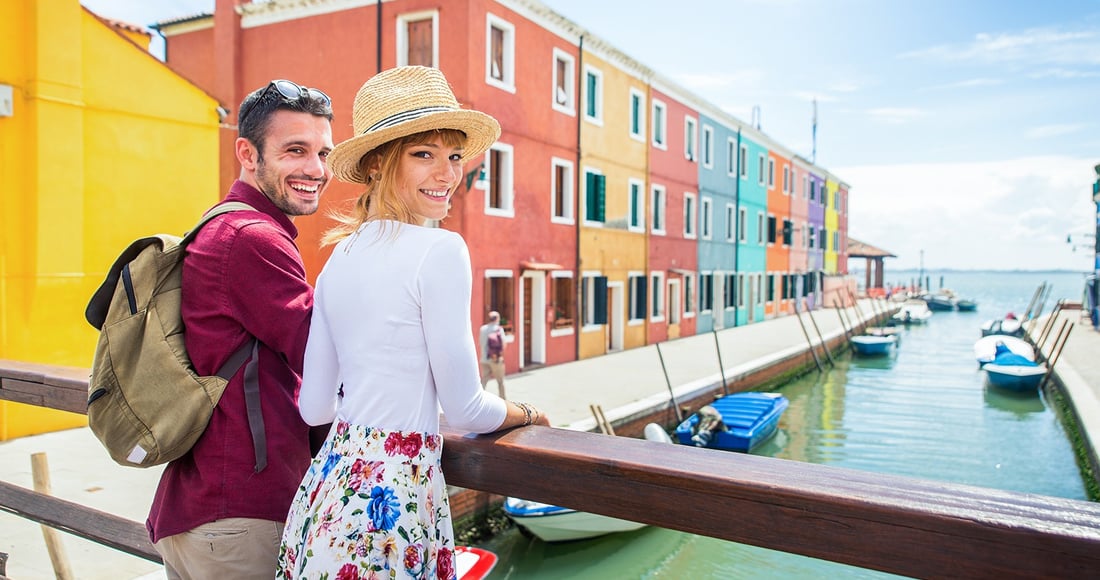
You can reach both islands independently on the vaporetto, but an organised Murano and Burano boat tour with a glassblowing demonstration takes the planning out of it and usually includes Torcello, the oldest settled island, with its ancient cathedral.
Beyond the icons
When you have ticked off the headline sights, Venice rewards going a little deeper. Art lovers should not miss the Gallerie dell'Accademia, home to the greatest collection of Venetian painting, or the Peggy Guggenheim Collection, a wonderful modern-art museum in the collector's own canal-side home. For an evening, a concert of Vivaldi, Venice's own composer, or a tour of the opulent La Fenice opera house is a memorable way to end a day. And to get under the city's skin, our guide to Venice's secret side and our Venetian food guide point you to the quieter corners and the best cicchetti bars.
Planning your 2026 visit
A few practicalities will make a Venice trip run far more smoothly.
- The 2026 access fee: on around 60 of the busiest days, mostly weekends and holidays between 3 April and 26 July 2026, day visitors must pay a contributo di accesso to enter the historic centre. It is €5 if you book in advance, or €10 if you leave it to the last few days, and it is checked between 8:30am and 4pm at the main arrival points, where you show a QR code. It only applies to day-trippers: if you are staying overnight in Venice you are exempt (your accommodation charges a separate overnight tourist tax instead, for up to five nights), and under-14s are free, though exempt visitors still need to register for a voucher. Check the city's official calendar for the exact dates of your trip.
- Getting around: Venice has no cars. You travel on foot and by ACTV vaporetto water bus. A single 75-minute ticket is €9.50, but if you are doing more than a couple of journeys a travelcard is much better value, at €25 for 24 hours, €35 for 48 hours and €45 for 72 hours, covering the whole network including the islands. You can buy a vaporetto travel pass in advance.
- When to go: spring (April to May) and autumn (September to October) are the sweet spots, with pleasant weather and thinner crowds than the hot, packed summer peak. Whenever you visit, the single best trick is timing: the day-tripper crush around San Marco builds through late morning and eases by evening, so see the big sights first thing or after 5pm.
- Acqua alta: Venice's seasonal high water is most likely between October and January, peaking in November and December. The MOSE flood barriers, in operation since 2020, now hold back the highest tides, but it is still worth packing waterproof shoes if you travel in winter.
- How many days: two days is enough for the must-see sights at a comfortable pace; a third lets you add Murano and Burano and simply get lost in the quieter sestieri, which is half the joy of Venice.
Frequently asked questions
What are the must-see sights in Venice?
The essentials are St Mark's Square and St Mark's Basilica, the Doge's Palace with its Bridge of Sighs, the Rialto Bridge and a trip along the Grand Canal, a traditional gondola ride, and a half-day to the lagoon islands of Murano and Burano. With two to three days you can comfortably see them all.
Do you have to pay to enter St Mark's Basilica?
Yes. As of 2026 the basilica is a ticketed, pre-booked attraction, with on-site sales having ended in mid-2025. Entry to the main church is €10, rising to around €20 if you add the Pala d'Oro altarpiece or the St Mark's Museum and the bronze-horse terrace, and €30 for a full ticket. The Campanile bell tower is a separate €15. Free entry applies only to certain exempt categories with ID.
How much is the Doge's Palace and what does the ticket include?
The Doge's Palace is visited on the combined St Mark's Square Museums ticket, which costs €35 on the door, €30 if booked online at least 30 days ahead, or €15 reduced, and stays valid for three months. It also covers the Correr Museum, the Archaeological Museum and the Marciana Library, and the route crosses the Bridge of Sighs. The separate Secret Itineraries guided tour, about 75 minutes through the palace's hidden rooms and cells, costs €40 (€20 reduced).
What is the Venice access fee in 2026, and do I have to pay it?
The contributo di accesso is a fee for day visitors to Venice's historic centre, applied on around 60 busier days between 3 April and 26 July 2026. It is €5 if you book ahead or €10 last-minute, and it is checked between 8:30am and 4pm. It does not apply if you are staying overnight in Venice, as your accommodation collects a separate tourist tax instead, and under-14s are exempt, though exempt visitors still need to register for a QR-code voucher.
How much is a gondola ride in Venice?
Gondola rates are officially fixed at €90 for a 30-minute ride during the day (8am to 7pm) and €110 in the evening. The price is per gondola, which carries up to five passengers, not per person, so sharing keeps the cost down. Agree the route before you set off, and bring cash.
How do you get around Venice?
On foot and by water. There are no cars in the historic city; the public transport is the ACTV vaporetto water bus network. A single 75-minute ticket is €9.50, while travelcards offer much better value at €25 for 24 hours, €35 for 48 hours and €45 for 72 hours, covering the islands too.
How many days do you need in Venice?
Two to three days is ideal. Two days cover the main sights, including St Mark's Square, the basilica, the Doge's Palace and the Grand Canal, while a third day lets you visit Murano and Burano and explore the quieter neighbourhoods away from the crowds.
Book your Venice must-sees
Venice in 2026 is as spellbinding as ever, and a little advance booking goes a long way: timed tickets for the basilica and the Doge's Palace, a vaporetto pass for the islands, and a gondola ride to round it off. You can browse and book all of it, plus tours, day trips and more, on the tickadoo Venice hub.

Built by the founders of London Theatre Direct, with 25 years of expertise in theatre ticketing. The tickadoo editorial team covers West End and Broadway shows, attractions, tours and experiences across 700+ cities.
About the team